
Small Changes, Big Impact
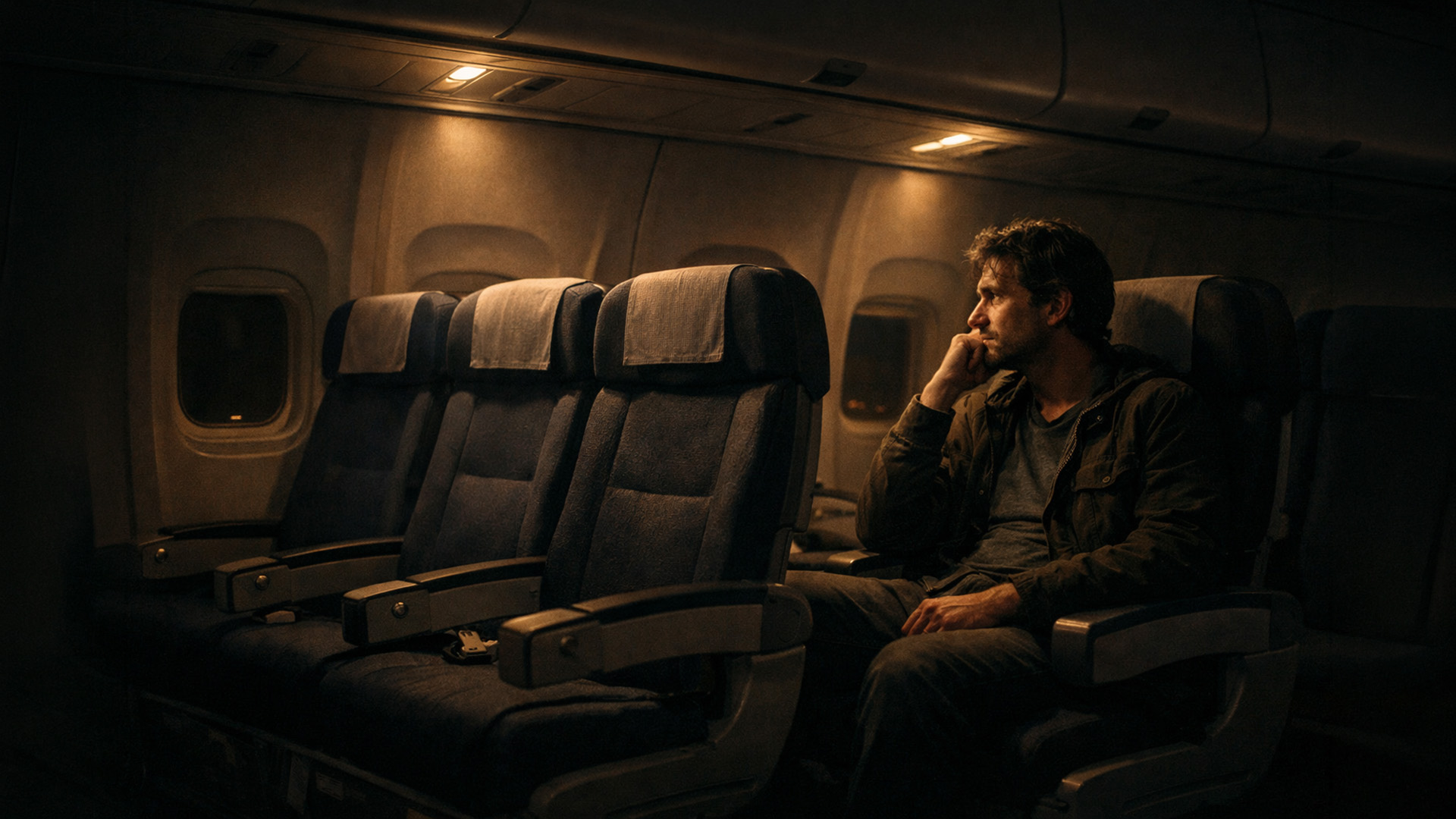
Years ago, on a long red-eye flight home, I found myself uncomfortable and restless. As soon as the seatbelt sign was turned off, I stood up and walked the aisle, quietly hoping to find an open row.
Then I saw it—three empty seats.
I claimed one, stretched out, and slept the rest of the flight home.
What struck me later was this: I didn’t change flights. I didn’t change destinations. I didn’t even change the people traveling with me. I simply changed seats.
All I needed was a small change, not a big one.
Learning From the Past Without Being Trapped
At the beginning of each year, many of us think of changes we need to make and goals we want to attain. We make resolutions about things to quit and what to begin. Yet lurking in the back of our minds is the quiet reminder of past resolutions—good intentions and promises of change and new beginnings that somehow never took root.
I am a firm believer in new beginnings. I believe God does invite us into change—even into new trajectories…of stepping out of the old and into the new, forgetting the past and starting anew.
The apostle Paul wrote about “forgetting what is behind and reaching for what is ahead.” At first glance, it sounds decisive and clean—as if the past can be shut off. But when you read Paul’s letters carefully, you notice something important.
He talked about his past often. He recounted where he came from. He even recounted failures. He acknowledged the place the former things of his life played in his journey. In doing so, Paul removed himself from the danger of being someone above and beyond the attainment of the rest of us.
To Paul, forgetting did not mean erasing memory. It meant changing the role the past was allowed to play.
Paul remembered, but he did not live from those memories. They informed him, but they didn’t define him. They explained his journey, but they didn’t sit in the seat beside him. That’s an important distinction.
Embracing Small Shifts
For a long time, I didn’t realize how relics from my own past were still shaping my present attitudes. When certain circumstances arose, I would revert to old thought patterns—old insecurities and fears dictating my thoughts and actions. Before I knew it, I was sitting once again in a familiar, damp, dark cell of introspection and self-condemnation with the “what ifs.”
In rapid succession, old patterns would construct the worst possible outcome. A familiar heaviness would settle over my soul like a wet blanket.
But one day, as I sat in that cold, dark cell, a voice spoke clearly to my spirit:
“What are you doing in there? Why are you allowing this in your life again? I set you free from all of this—but you must possess it. You can walk out of here anytime you choose. Stand on your feet and fight with the faith I have given you.”
I obeyed the correction of the Lord.
Nothing around me changed in that moment. My circumstances didn’t suddenly improve. I didn’t receive new information or a new plan. Yet just as quickly as the dark cloud had settled over my soul, it lifted.
That moment taught me two things I’ve never forgotten: freedom can be given, but it must be possessed, and change will not happen until I make a change.
Starting anew doesn’t require abandoning everything that came before. Much of what God has done in our lives is meant to be carried forward—faith learned in hard seasons, wisdom gained through obedience, compassion formed through pain. Those things are foundations, not baggage.
But there are also things we picked up along the way that were never meant to stay—wounds that became identities, disappointments that turned into expectations, conclusions formed in survival that now limit our faith. Those things may still be on the plane. They just don’t belong beside us anymore.
Sometimes starting anew doesn’t look dramatic. It looks like discernment. It looks like asking, What is God asking me to keep—and what is He asking me to release? It looks like trusting that a small shift in posture can bring real change.
I didn’t need a new flight that day. I just needed a different seat. And sometimes, on our journey with God, that’s all the change we need.